

Artisan Armor Blacksmith Crazy Horse Leather Apron – Apron Forge
Original price was: $199.99.$162.99Current price is: $162.99.
Select options
This product has options that may be chosen on the product page


Auburn Anvil Soul Blacksmith Leather Apron
Original price was: $249.00.$179.00Current price is: $179.00.
Select options
This product has options that may be chosen on the product page


Black Flame Veil Blacksmith Leather Apron
Original price was: $249.00.$169.00Current price is: $169.00.
Select options
This product has options that may be chosen on the product page


Black Iron Scar Blacksmith Leather Apron
Original price was: $249.00.$179.00Current price is: $179.00.
Select options
This product has options that may be chosen on the product page


Blackish Steel Vow Blacksmith Leather Apron
Original price was: $249.00.$174.00Current price is: $174.00.
Select options
This product has options that may be chosen on the product page


Brown Steel Reign Blacksmith Leather Apron
Original price was: $249.00.$169.00Current price is: $169.00.
Select options
This product has options that may be chosen on the product page


Brownish Edge Craft Blacksmith Leather Apron
Original price was: $269.00.$179.00Current price is: $179.00.
Select options
This product has options that may be chosen on the product page


Burgundy Forge Wrath Blacksmith Leather Apron
Original price was: $269.00.$179.00Current price is: $179.00.
Select options
This product has options that may be chosen on the product page


Chestnut Blade Howl Blacksmith Leather Apron
Original price was: $249.00.$169.00Current price is: $169.00.
Select options
This product has options that may be chosen on the product page


Dark Natural Iron Storm Blacksmith Leather Apron
Original price was: $249.00.$174.00Current price is: $174.00.
Select options
This product has options that may be chosen on the product page
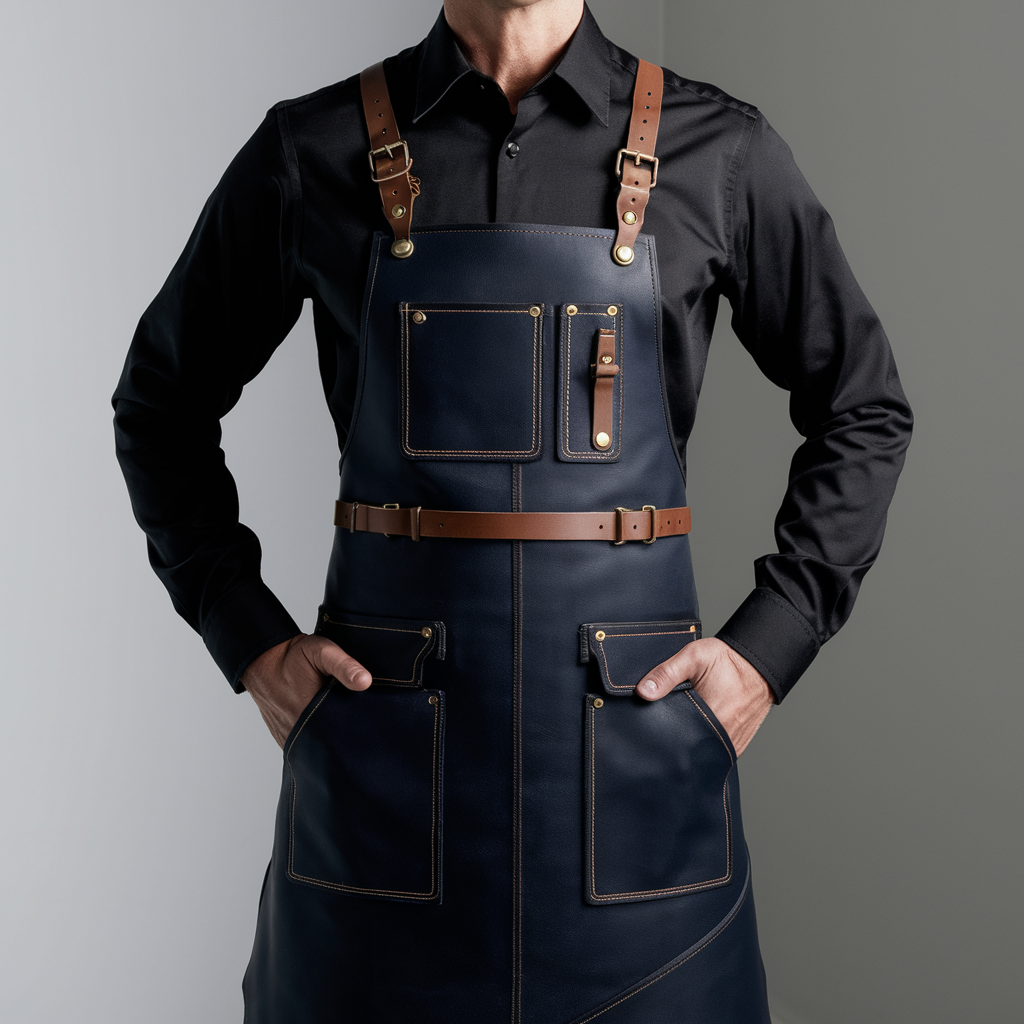

Dominion Craft Crazy Horse Leather Blacksmith Apron
Original price was: $259.00.$164.00Current price is: $164.00.
Select options
This product has options that may be chosen on the product page
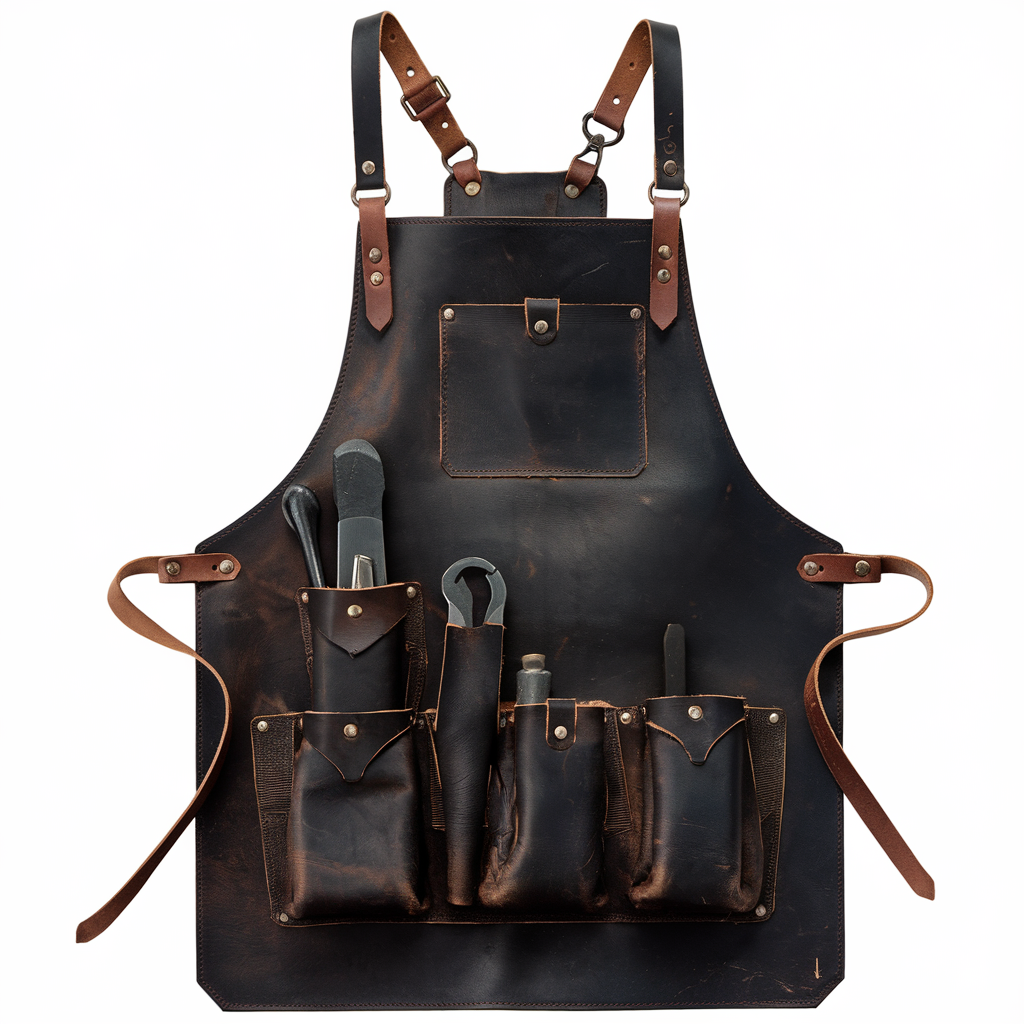

Embercraft Master Crazy Horse Leather Blacksmith Apron – Heavy Duty
Original price was: $269.00.$154.00Current price is: $154.00.
Select options
This product has options that may be chosen on the product page